
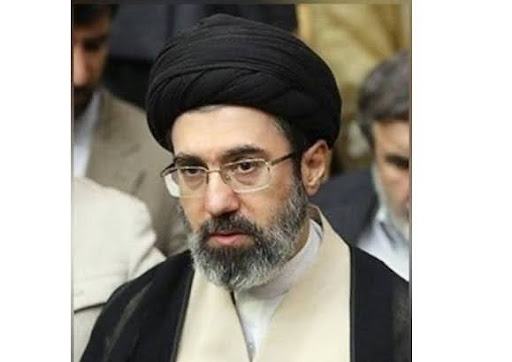
Iran has a new supreme leader: Mojtaba Khamenei, 56, son of the late Ayatollah Ali Khamenei. The Assembly of Experts confirmed his appointment on Sunday following a decisive vote, weeks after his father was killed in a US-Israeli strike on Tehran on February 28. The appointment is the first instance of father-to-son succession in the Islamic Republic’s history. Here is what is known about the new leader and the conflict surrounding his rise to power.
Mojtaba Khamenei was born in 1969 in Mashhad, Iran’s second largest city. He studied theology in the seminaries of Qom, Islam’s most important center of Shia learning. He reportedly served in some capacity during the final stages of the Iran-Iraq war. He subsequently spent decades managing the inner circle of his father’s government, controlling access to the supreme leader’s office and cultivating alliances with IRGC commanders and conservative clerics. He has never held elected office and has maintained an extremely limited public profile.
His institutional backing at the time of appointment was comprehensive. The IRGC, armed forces, parliament, and senior security figures including Ali Larijani all endorsed the appointment. The Houthi rebels in Yemen congratulated him. Iranian state media broadcast coordinated coverage of national unity. Missiles inscribed with Mojtaba’s name appeared in military broadcasts. Outside Iran, Trump called him unacceptable and warned he would not last long. Israel launched fresh strikes on Iranian infrastructure on Monday.
The broader conflict context includes: Israeli strikes on at least five energy sites in and around Tehran; Iranian attacks on Saudi Arabia, Bahrain, Kuwait, Qatar, and the UAE; civilian deaths in Saudi Arabia’s Al-Kharj; damage to Bahrain’s desalination plant; IRGC threats to push oil above $200 per barrel; and US pledges not to target Iranian energy infrastructure. Iran’s proxies — including Hezbollah and the Houthis — remain active on multiple fronts.
The key questions surrounding Mojtaba Khamenei’s leadership include: whether he will exercise genuine strategic authority or rely heavily on IRGC structures; whether his appointment signals continued escalation or eventual willingness to negotiate; how Iranian society will receive a dynastic succession in a republic founded against hereditary rule; and whether his inexperience in formal governance will become a strategic liability. The answers to these questions will emerge from events, not from declarations.