
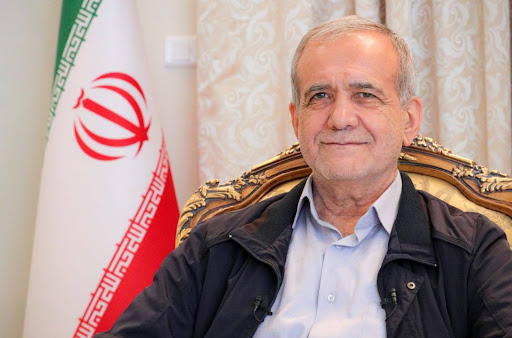
Iranian President Masoud Pezeshkian has argued that Gulf nations are paying for America’s war against Iran with their own safety, a cost he says they can avoid by removing US military operations from their territory. His post on X, made over a month into the Iran-US conflict, framed the situation in terms of a direct and avoidable cost being borne by Gulf populations. Pezeshkian addressed Gulf governments directly, urging them to stop accepting this cost on behalf of outside powers.
Countries like Saudi Arabia, the UAE, Kuwait, Qatar, and Oman have allowed the US to station military forces on their soil, forces that have been used to strike Iran. Tehran has retaliated with attacks inside those countries, and Gulf populations are now paying the safety price for that military relationship. The growing human and economic cost of the conflict for Gulf nations is becoming increasingly difficult for their governments to justify.
Pezeshkian confirmed that Iran only retaliates and does not initiate attacks, but warned that retaliation will continue as long as enemy forces operate from Gulf soil. He argued that Gulf populations are paying for America’s war with their own safety, a price that can be avoided by removing US military operations. His message is aimed at both governments and populations, framing the issue as one of national and human cost.
Pakistan has been recognized as a key mediator. Prime Minister Shehbaz Sharif confirmed that Pezeshkian communicated the importance of trust as a foundational precondition for peace talks. Pakistan has organized a multilateral ministerial meeting in Islamabad with the foreign ministers of Saudi Arabia, Egypt, and Turkey to discuss strategies for de-escalation.
Pakistan’s Ishaq Dar will lead the discussions and facilitate meetings with Prime Minister Sharif. Tehran has praised Islamabad’s constructive mediation and remains genuinely open to diplomatic solutions. The Islamabad meetings may be the moment when the search for peace gains real traction, supported by the growing recognition that the cost of continued conflict is simply too high.