
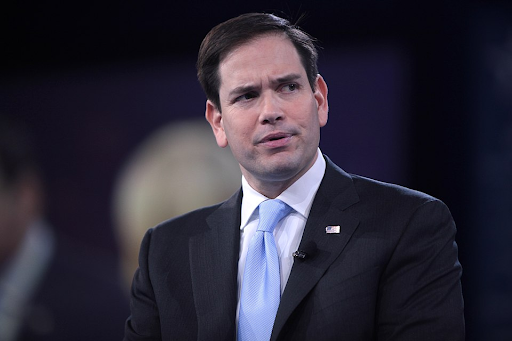
Secretary of State Marco Rubio asserted that Venezuela’s interim government led by acting president Delcy Rodriguez understands that compliance with American demands brings tangible benefits during Senate testimony Wednesday. The assessment suggests economic incentives and penalties effectively influence interim authority behavior.
The former Florida senator explained that meeting requirements including preferential energy sector access for United States companies, Treasury-approved budget processes, and Cuban oil subsidy termination unlocks benefits such as restored petroleum sales, diplomatic normalization, and potential international economic engagement.
Rubio characterized the incentive structure as productive framework that encourages cooperation while maintaining leverage to ensure continued compliance. He suggested that interim leaders recognize their government’s viability depends on American support and therefore have strong motivations to meet expectations.
Democrats questioned whether compliance extracted through economic control and military force constitutes legitimate cooperation or simply demonstrates that weaker nations must accept demands regardless of sovereignty concerns. They challenged whether this framework creates sustainable partnership or exploitative relationship.
The hearing also examined NATO alliance fundamental commitments, Greenland diplomatic tensions, Iran regime change complexity, and dismissal of concerns that Venezuela intervention encourages authoritarian aggression elsewhere. Rubio defended administration foreign policy as advancing American interests.