
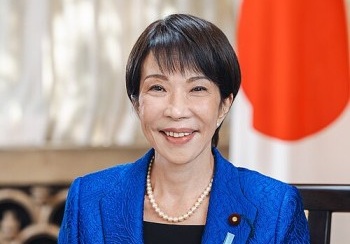
Prime Minister Sanae Takaichi has underscored her commitment to minimizing the use of deficit-covering government bonds while formulating a supplementary budget to mitigate the economic repercussions from the ongoing Middle East conflict. During a series of Diet debates on May 20, she emphasized the need to protect people’s livelihoods and economic activities from potential worst-case scenarios. Although she acknowledged the necessity for a supplementary budget, she noted that discussions regarding its overall scale and specific details for fiscal 2026 have yet to commence. Takaichi mentioned that surplus funds from the fiscal settlement of accounts and other resources are expected to become available soon, which could be utilized as funding sources.
Despite initially opposing the idea of an extra budget, Takaichi revealed on May 18 that she had directed Finance Minister Satsuki Katayama to consider crafting a supplementary budget among other economic measures. This shift in stance came amid pressure from Junya Ogawa, leader of the opposition Centrist Reform Alliance, who has long advocated for such a budget. Ogawa questioned whether Takaichi’s instructions were delayed, but she dismissed the criticism, asserting that her directives were timely. In a debate with Yuichiro Tamaki of the Democratic Party for the People, Takaichi clarified that she had already instructed officials to explore an extra budget before the Golden Week holidays in late April to early May.
To alleviate the impact of rising crude oil prices, the government has been maintaining substantial subsidies to keep gasoline prices nationwide at around 170 yen ($1.06) per liter. Tamaki proposed extending these subsidies in the supplementary budget while gradually raising the threshold at which they are triggered. Takaichi expressed her willingness to consider increasing subsidy payments, acknowledging the strategic importance of Tamaki’s proposal and affirming that the government will respond appropriately.
As the closure of the Strait of Hormuz continues, concerns about naphtha supply shortages have prompted companies to take precautionary measures. Calbee Inc., a snack food manufacturer, announced on May 12 that it would switch 14 product packaging, including its potato chips, to black and white due to unstable supplies of printing ink derived from naphtha. Nevertheless, Takaichi’s administration maintains that there is an adequate overall supply of naphtha, attributing the issue to supply-chain constraints rather than a shortage. The government, led by Industry Minister Ryosei Akazawa, is committed to addressing these bottlenecks.
In addition to managing economic challenges, Takaichi reiterated her pledge to eliminate the consumption tax on food items. She expressed her eagerness to introduce related legislation in the Diet, contingent upon an interim report from the national council on social security expected before the summer. This move aligns with her broader strategy to safeguard and support the livelihoods of citizens amid ongoing economic uncertainties.