
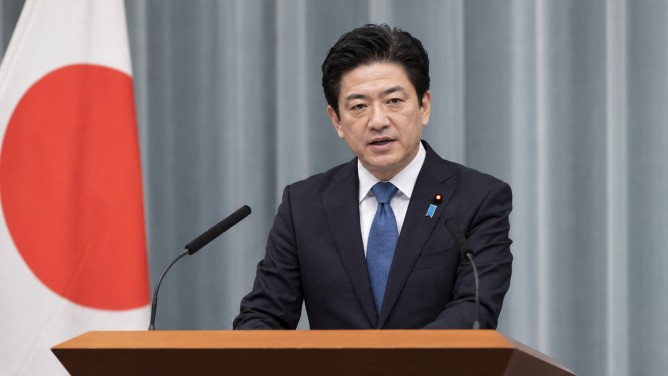
Japan has dismissed claims made by Russian Foreign Minister Sergey Lavrov, who argued against Japan’s pursuit of a permanent seat on the United Nations Security Council and accused the country of moving toward militarization. Japan’s Chief Cabinet Secretary Minoru Kihara refuted Lavrov’s statements, asserting that they are contrary to the facts. Kihara emphasized Japan’s longstanding commitment to freedom, democracy, and the rule of law since the conclusion of World War II, highlighting the nation’s contributions to economic and social development both in Asia and globally.
Lavrov’s remarks came amid his opposition to granting permanent Security Council membership to Japan and Germany, while expressing support for potential permanent seats for Brazil and India. Japan has been an advocate for reforming the Security Council and has long sought a permanent position. The country has served as a nonpermanent member on 12 occasions, with its most recent term concluding in 2024.
The debate over Security Council reform continues as calls for changes to its structure grow. The current permanent members—China, France, Russia, the United Kingdom, and the United States—hold significant influence with their veto powers. Japan’s push for reform reflects a broader desire among some nations to see the Council better represent the contemporary global landscape.
Japan’s rejection of Lavrov’s militarization claims underscores its stance on maintaining peace and stability in the international community. The ongoing discussion about Security Council reform remains a critical issue for nations seeking to adapt the body to modern geopolitical realities.