
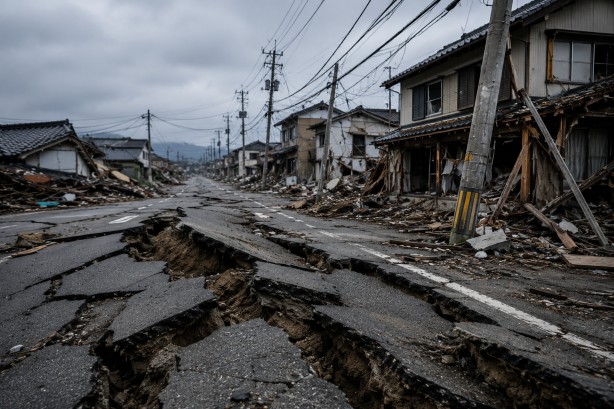
A significant earthquake has struck the Kyushu region of Japan, causing disruptions in semiconductor production and affecting supply chains. This region, particularly Kumamoto Prefecture, hosts critical chip manufacturing facilities operated by major firms such as TSMC, Renesas Electronics, Sony, Mitsubishi Electric, and Tokyo Electron. Known as part of Japan’s “Silicon Island,” these facilities are vital to the global semiconductor market.
The earthquake has led to the suspension of operations at several of these sites, as companies conduct thorough assessments of potential damage. While some factories have not reported major structural damage, the sensitive nature of semiconductor equipment necessitates detailed inspection and recalibration before resuming production. This precautionary halt has resulted in a temporary pause in chip manufacturing activities.
Additionally, the earthquake has disrupted transportation networks, complicating logistics and raising concerns about potential delays in chip shipments. The effects of these disruptions have also been felt beyond the semiconductor industry. Automotive giant Toyota has temporarily halted production at multiple plants due to issues with suppliers and logistics. Similarly, Honda has decided to extend the shutdown of its motorcycle plant in Kumamoto as it evaluates the situation further.
Other manufacturers in the region are also in the process of assessing damage before deciding when to resume their operations. The earthquake’s impact highlights the interconnected nature of global supply chains and the critical role of Japan’s semiconductor sector. Companies are working diligently to ensure a swift resumption of production while maintaining the safety and integrity of their operations.