
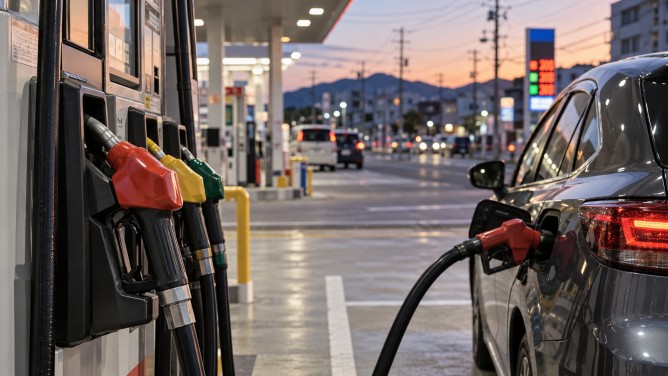
Japan is set to gradually reduce its gasoline subsidies starting in December, as the government seeks to alleviate the financial strain of its energy support program while continuing to aid households grappling with high fuel prices. Prime Minister Sanae Takaichi announced the move on October 29, highlighting the importance of balancing consumer protection with fiscal responsibility.
The subsidies, initially implemented to shield consumers from abrupt fuel price hikes due to global oil market volatility and Middle Eastern tensions, currently ensure the national average price of regular gasoline remains around 170 yen per liter. Starting December, this benchmark will rise by 5 yen each month, signaling a shift towards a more sustainable subsidy model. Takaichi assured that factors like crude oil prices, household expenses, and broader economic conditions would be considered during the transition.
The financial burden of the subsidy program has been significant, with over 10 billion yen in taxpayer funds spent daily to maintain reduced fuel prices. The program, which began in 2022 and was briefly halted before being reinstated in March due to climbing international energy costs, has seen government support exceeding 50 yen per liter. By September, total spending had reached approximately 9 trillion yen, raising concerns about its impact on public finances and the use of emergency reserves.
In addition to adjusting gasoline subsidies, Japan will resume financial assistance for electricity and gas bills from December through February to support households with winter energy costs. The initiative includes electricity subsidies of 1 yen per kilowatt-hour in December and 4.5 yen in January and February, potentially lowering a typical household’s energy expenses by about 7,000 yen over the three-month period.
The government plans to reassess further support measures for March, taking into account weather conditions and international energy prices. This policy shift underscores Japan’s ongoing efforts to balance the affordability of household energy with the escalating fiscal demands of extensive fuel and utility subsidies.