
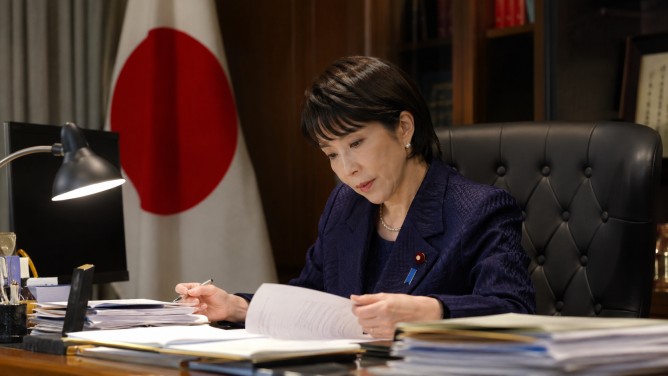
Japanese Prime Minister Sanae Takaichi has sparked public debate following her admission of a demanding sleep schedule, revealing she typically gets between zero to three hours of sleep each night since assuming office in October. Takaichi shared on social media that she recently managed to secure a rare five-hour rest, highlighting her routine of working late into the night. Her evenings are dedicated to reviewing government documents and preparing for parliamentary sessions.
Beyond her official duties, Takaichi disclosed that her personal time is consumed by household responsibilities, such as cooking, cleaning, and laundry. This revelation has ignited discussions about her approach to leadership, with opposition leaders asserting that a prime minister should delegate duties more effectively and prioritize adequate rest to ensure sound decision-making.
Takaichi, who has consistently underscored the importance of a robust work ethic, stated her commitment to focusing intently on her responsibilities. Her comments have drawn additional attention due to her previous advocacy for loosening work-hour regulations in Japan, prompting further dialogue on the nation’s work culture.
The prime minister’s statements have revived broader conversations about the balance between leadership demands and personal well-being in Japanese politics, raising questions about the implications of her intense work habits on her decision-making capabilities. This ongoing discussion reflects a wider societal examination of work-life balance and how it intersects with effective governance in Japan.