
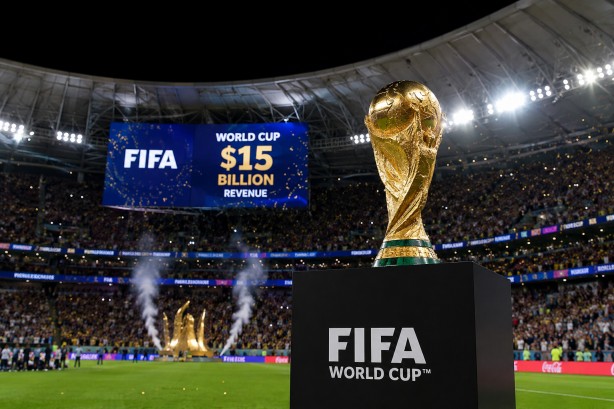
FIFA is on the verge of declaring an unprecedented revenue milestone of $15 billion generated from this year’s World Cup, substantially surpassing its initial forecast of $11 billion. This remarkable financial achievement has predominantly been fueled by the robust sales of hospitality packages and tickets, especially through the secondary ticket market. In these transactions, FIFA benefits from a 15% fee applied to both buyers and sellers, significantly boosting the organization’s income.
The influx of additional funds is poised to benefit FIFA’s member associations, though the specific distribution plan for these resources has yet to be determined. This impressive financial outcome not only enhances FIFA’s economic standing but also reinforces the position of its president, Gianni Infantino. His prospects for re-election in March appear strong, with over 200 member associations already backing his candidacy.
The success of the World Cup has also positively impacted the United States’ aspirations to host future tournaments. With the bidding process for the 2038 edition yet to commence, there is growing optimism for a U.S. bid. Additionally, discussions are underway regarding the possibility of the U.S. hosting the 2029 Club World Cup, further signaling the nation’s interest in staging major international soccer events.
As the tournament reaches its climax, premium hospitality packages continue to be available ahead of the final showdown between Spain and Argentina in New Jersey. Enthusiasts seeking an exclusive experience can still purchase tickets for the coveted “trophy lounge,” with prices reaching up to $34,500 per person. This highlights the enduring demand for high-end experiences associated with the World Cup.