
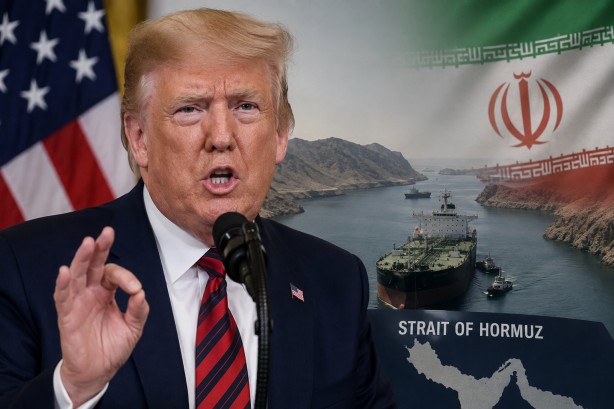
In a significant development, Iran has issued a stern warning to Gulf states, cautioning that any fresh military strike by the United States on Iranian soil would provoke retaliatory action against vital energy infrastructures throughout the Gulf region. This warning comes from discussions involving Iranian Foreign Minister Abbas Araqchi, who has engaged with senior officials from countries including Saudi Arabia, Qatar, Turkey, and Pakistan. During these talks, Araqchi urged these regional allies to dissuade Washington from pursuing further military aggression, emphasizing that any attack on Iran would incite strikes on American assets and key energy facilities in the area.
The warning from Iran follows recent declarations by US President Donald Trump, who threatened to target Iran’s energy infrastructure. Despite these tensions, Iran has reiterated its preference for diplomatic solutions but has firmly stated its readiness to retaliate if attacked. The escalating rhetoric underscores the fragile situation in the region, with potential implications for international stability.
Saudi Arabia has emerged as a voice of caution, reportedly advising the United States to focus on negotiation efforts and avoid actions that could exacerbate the conflict. Nevertheless, Saudi officials have also clarified that they stand prepared to defend their territory against any form of aggression.
Iran’s warning specifically highlights the potential targeting of crucial sites such as oil facilities, refineries, power grids, water infrastructure, transport networks, and oil fields in response to any US military action. This stance raises serious concerns about the possibility of renewed hostilities disrupting Gulf energy supplies and contributing to heightened instability in the region.
Amid these tensions, regional leaders are actively advocating for diplomatic initiatives aimed at averting a broader conflict, which could pose significant risks to global energy markets. The focus remains on preventing an escalation that could have far-reaching consequences for international economic and security landscapes.