
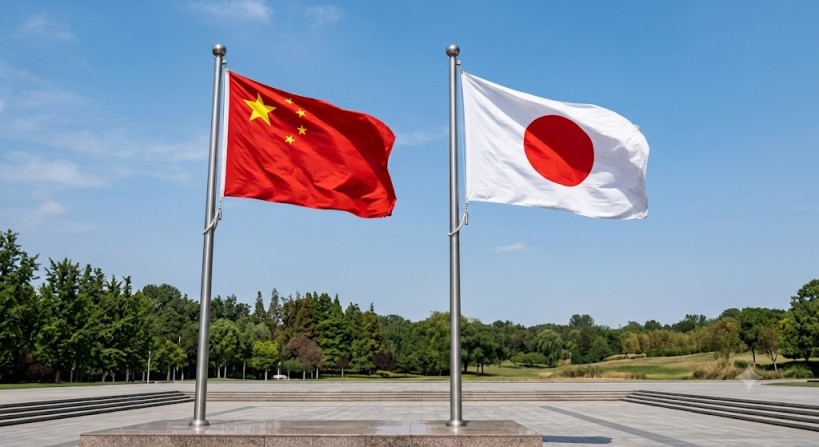
China has introduced new export controls targeting 40 Japanese entities, alleging that these organizations are contributing to Japan’s military advancements and efforts towards “remilitarization.” The restrictions affect 20 Japanese companies and divisions, including those linked to major firms, by preventing Chinese and foreign exporters from selling specific dual-use goods, which have both civilian and military applications.
An additional 20 Japanese entities have been placed on a watch list, necessitating that exporters obtain special approvals and conduct risk assessments to ensure the products are not intended for military use. Beijing has justified these measures as necessary to deter Japan’s expanding military presence, particularly concerning its development of long-range weapons and deepening security alliances with other nations.
Japan has criticized China’s decision, labeling the export controls as unacceptable and has called on Beijing to rescind the measures. Japanese authorities have indicated they will examine the repercussions of these controls and deliberate on suitable responses. The move comes amid heightened tensions between the two countries following Japan’s bolstering of its defense strategies and military capabilities.
China has consistently voiced its opposition to Japan’s security policies, especially those related to Taiwan, fueling further discord between the nations. Analysts suggest that these restrictions may serve as a diplomatic caution rather than a comprehensive economic action, yet the fragility in China-Japan relations persists against a backdrop of broader regional security challenges.