
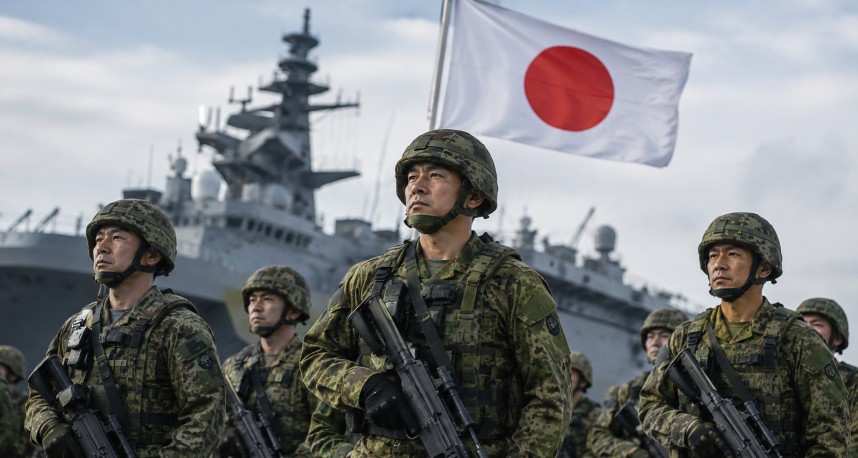
Japan is setting the stage to enhance its defense strategies through a new economic and fiscal policy framework, which aims to significantly boost military expenditure in the coming years. This strategic move is encapsulated in the government’s annual Basic Policy on Economic and Fiscal Management and Reform, anticipated for approval later this month. Although the policy will not specify a new spending target, it underscores Japan’s intention to transform its defense capabilities over a five-year period, aligning with objectives set by its allies.
The forthcoming policy is expected to address the increasing expectations from the United States for its allies to take on more substantial security roles. It will also draw parallels with the defense spending commitments made by NATO members, as well as countries like South Korea and Australia, who have outlined medium- and long-term plans to enhance their military budgets.
A draft of the policy includes a footnote highlighting NATO’s ambition to elevate core defense expenditure to 3.5% of GDP by 2035. Similarly, it acknowledges South Korea’s aim to reach the same percentage as quickly as possible, and Australia’s objective to allocate 3% of GDP to defense by 2033.
Japan’s own national security strategy, which was updated in 2022, set a target to increase defense spending from 1% to 2% of GDP within five years. This goal was achieved ahead of schedule, in fiscal 2025. The revised policy is set to lay the groundwork for amendments to Japan’s three principal national security documents later this year, with a continued emphasis on military expenditure as Tokyo navigates a more intricate regional security landscape.