
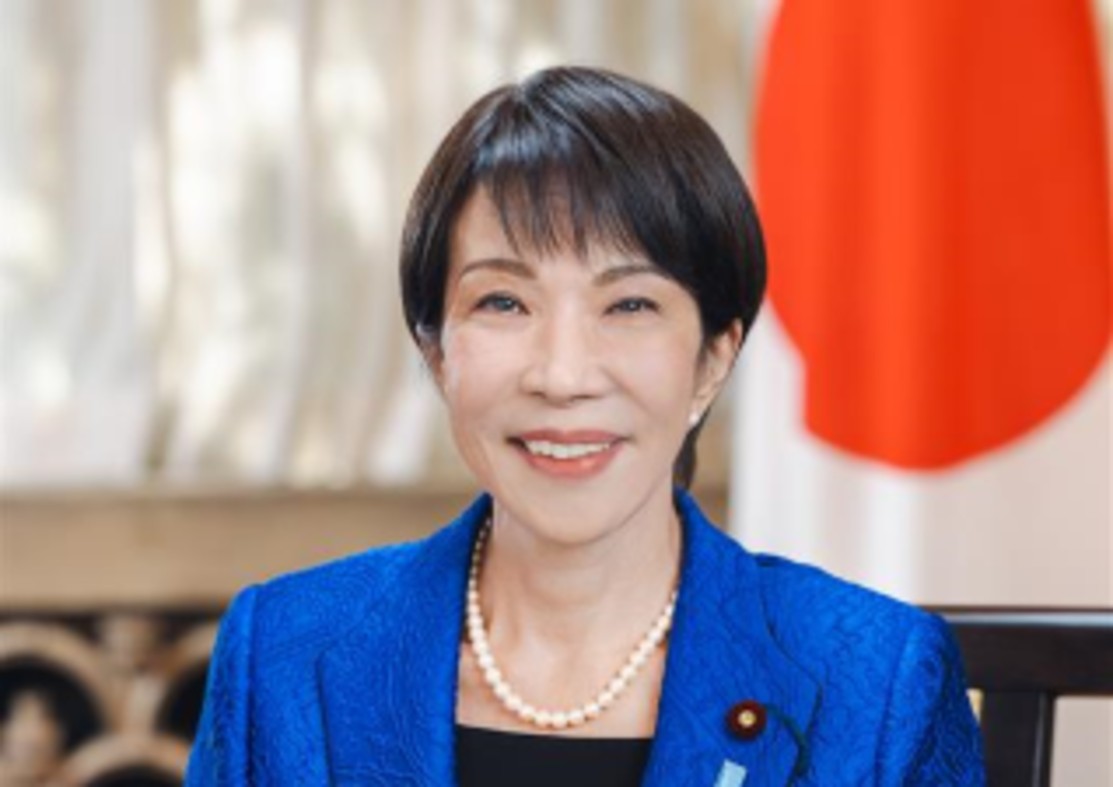
Japanese Prime Minister Sanae Takaichi’s recent visit to Okinawa has underscored the ongoing tensions between the central government and the prefecture concerning military base issues and security policies. During her visit, she met briefly with Okinawa Governor Denny Tamaki, reflecting the challenges Tokyo faces as the gubernatorial election approaches. This meeting, held during a memorial event to mark the anniversary of the Battle of Okinawa, did not address the contentious issue of relocating the US Marine Corps Air Station Futenma to Henoko in Nago, a move Tamaki opposes and has sought to discuss with Takaichi since her ascent to the prime ministership.
The upcoming gubernatorial election in Okinawa has heightened political stakes, with the ruling Liberal Democratic Party aiming to challenge Tamaki’s leadership. Despite this, party officials are cautious about directly involving Takaichi in the campaign, as her firm stance on security could potentially sway voter support. This caution comes amid increasing concerns over Tokyo’s defense policies, especially as Japan boosts its military presence in the southwest region and enhances joint exercises with the United States. The memory of wartime suffering makes many Okinawa residents particularly sensitive to changes in security dynamics.
During the memorial ceremony, Takaichi acknowledged the significant burden Okinawa bears from hosting US military facilities. She promised efforts to alleviate this burden, while simultaneously underscoring the importance of US forces for Japan’s security. This dual acknowledgment reflects the intricate balance Tokyo must maintain in addressing local concerns while ensuring national security.
The ongoing debate surrounding military bases, peace issues, and Japan’s broader defense strategy is anticipated to remain a pivotal issue within Okinawa’s political dialogue. As Japan continues to navigate its regional and international security commitments, these discussions are likely to influence both local sentiment and national policy directions.