
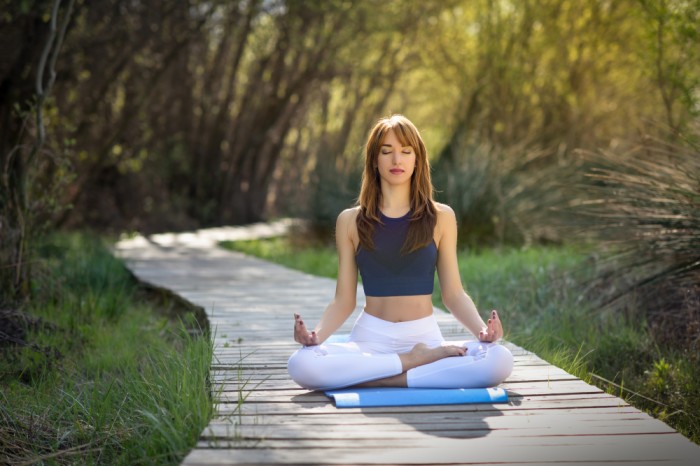
While yoga is commonly linked to physical postures and flexibility, its traditional roots delve much deeper, focusing on the harmony of body, mind, and spirit. Originating from the Sanskrit term “yuj,” meaning to unite, yoga is a philosophy that encourages the connection of individual consciousness with a higher state of awareness. This ancient practice emphasizes the importance of slowing down, observing one’s thoughts, and cultivating inner balance through awareness, discipline, and personal growth.
The teachings of Patanjali form the cornerstone of classical yoga, presenting an eight-part path known as the Eight Limbs of Yoga. These principles serve as a guide for individuals seeking a mindful and purposeful way of living. The first limb, Yama, involves principles for interacting with the world, such as non-violence, truthfulness, and moderation, promoting harmonious relationships. The second, Niyama, focuses on personal discipline and development, advocating for inner cleanliness, gratitude, and self-reflection as pathways to transformation.
Asana, the third limb, represents the physical postures often synonymous with modern yoga practice. Traditionally, these postures were intended to ready the body for meditation, emphasizing not just physical strength but also stability and comfort. Pranayama, the fourth limb, involves breath control, a practice that enhances focus, calmness, and awareness by linking the body and mind. This conscious breathing is seen as a vital tool for managing emotions and maintaining equilibrium.
The path continues with Pratyahara, the fifth limb, which involves turning attention inward and reducing reliance on external distractions. This inward focus helps individuals control their attention rather than be swayed by outside influences. Dharana, the sixth limb, is about developing concentration by focusing the mind on a single point, such as the breath or a sound, to improve mental clarity. Following this, Dhyana, the seventh limb, signifies a deeper stage of meditation where concentration becomes continuous, fostering a state of calm awareness and inner stillness.
Finally, Samadhi, the eighth limb, is regarded as the pinnacle of the yogic journey. This stage embodies complete awareness and connection, reflecting deep inner peace and a sense of unity that transcends individual self. Together, these eight limbs illustrate that yoga is not merely a physical exercise but a comprehensive approach to achieving balance and growth in life, encompassing physical health, mental discipline, and spiritual development.