
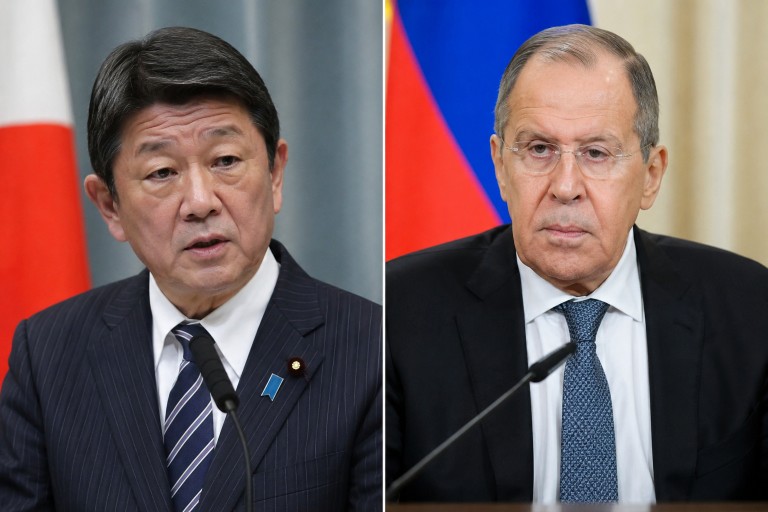
Japan’s diplomatic maneuvers with Russia have become a point of contention among European nations as the G7 summit approaches, revealing differing approaches to engaging Moscow amidst the ongoing conflict in Ukraine. Some European partners have voiced concerns over Japan’s recent interactions with Russian officials, perceiving them as potentially undermining the collective Western effort to isolate Russia through strategic sanctions and political pressure.
In late May, Japanese representatives from the foreign and trade ministries, alongside significant business organization figures, traveled to Russia to engage in discussions with officials overseeing economic development and industry. These meetings were centered on economic matters and the continued operations of Japanese companies within Russia. Japanese officials have defended these interactions, underscoring the importance of maintaining lines of communication even during strained international relations. They emphasized that these talks were crucial for safeguarding the interests and assets of Japanese businesses still functioning in the Russian market.
This diplomatic engagement has ignited a debate regarding Japan’s strategy of balancing its participation in international sanctions against Russia with its own economic and energy priorities. Within Japan, some political figures have advocated for enhancing relations with Moscow, primarily due to concerns around long-term energy security. Despite these engagements, Japan remains committed to supporting Ukraine and aligns itself with the G7’s sanctions policies. Recently, Tokyo has announced additional financial contributions to global initiatives supporting Ukraine, further cementing its dedication to the Western stance.
Japanese leaders have clarified that there are no plans for high-level political meetings with Russian officials at this time. During the upcoming G7 summit, Prime Minister Sanae Takaichi is anticipated to reaffirm Japan’s support for Ukraine while also addressing the concerns of European partners regarding Tokyo’s recent engagements with Moscow. The situation will likely be a focal point as G7 leaders strive to maintain a unified position on Russia while considering their national economic and security interests.